
Introduction
The Australian architecture and construction industry is evolving rapidly, and 3D visualization is at the heart of this transformation. From Melbourne’s high-rise developments to Sydney’s luxury homes, clients expect more than static floor plans—they want immersive, photorealistic experiences.
As we step into 2025, technology like AI, VR, and real-time rendering is reshaping the way architects, builders, and developers present their projects. In this blog, we’ll explore the top architectural visualization trends in Australia that will define the industry in the coming year.
🔹 Trend #1: Real-Time Rendering with VR & AR
Gone are the days when clients waited weeks for final renders. In 2025, real-time rendering powered by tools like Unreal Engine and Unity is becoming mainstream in Australia.
- Virtual Reality (VR): Developers can now offer buyers a headset experience to “walk through” a Sydney apartment before it’s built.
- Augmented Reality (AR): Builders in Melbourne are overlaying 3D models onto physical spaces using AR apps, making site inspections more interactive.
👉 Why it matters: Faster approvals, fewer design revisions, and enhanced buyer confidence.
🔹 Trend #2: AI-Assisted Rendering Workflows
Artificial Intelligence is no longer just a buzzword—it’s streamlining architectural visualization.
- AI helps automatically generate textures, lighting, and even furniture layouts, cutting production time in half.
- Tools like Stable Diffusion, MidJourney, and DALL·E are being used for concept development.
- Predictive design is helping architects in Sydney and Brisbane refine layouts before the actual rendering process.
👉 Why it matters: Lower costs, faster delivery, and more iterations for clients without extra expense.
🔹 Trend #3: Sustainability Visualization (Green Architecture)
With Australia’s growing focus on sustainability, developers must demonstrate eco-friendly features visually.
- Renderings now highlight solar panels, rainwater systems, natural lighting, and eco-materials.
- Green certifications (NABERS, Green Star) often require 3D visualization of energy efficiency features.
- Real estate buyers in 2025 increasingly choose developments marketed as “eco-friendly.”
👉 Why it matters: Sustainability sells. Visuals showing “green” features attract investors and eco-conscious buyers.
🔹 Trend #4: Drone + 3D Rendering Integration
Drone technology is merging with visualization to create hyper-realistic site context renderings.
- Drone footage of Sydney harbourside suburbs or Melbourne’s CBD is combined with CGI buildings.
- Helps buyers and councils visualize how projects will look in real surroundings.
- Especially popular for master-planned communities and high-rise approvals.
👉 Why it matters: Improved stakeholder communication and more successful planning approvals.
🔹 Trend #5: Interactive 360° Virtual Tours
Instead of static renders, 360° tours are becoming the new standard.
- Clients can explore every angle of a development from a web browser.
- Works well for real estate pre-sales campaigns targeting overseas buyers in China, India, and the Middle East.
- Builders are embedding these tours into websites and sales presentations.
👉 Why it matters: Engages international buyers and increases pre-construction sales.
🔹 Trend #6: Photorealism at Scale
In 2025, expectations are high—buyers want renders that are indistinguishable from real photos.
- Ultra-realistic lighting, textures, and shadows are standard.
- Advanced rendering engines like V-Ray, Corona, and Lumion are producing lifelike environments.
- Realistic human figures and natural imperfections (wrinkles, scratches, clutter) add authenticity.
👉 Why it matters: Builds trust—buyers believe in what they see.
🔹 Trend #7: Cloud-Based Collaboration
Remote collaboration is a necessity in 2025.
- Cloud rendering platforms allow teams in Melbourne, Sydney, and overseas to work together in real time.
- Large architectural firms can share and update renders instantly with stakeholders.
- Cuts down on long email chains and revision delays.
👉 Why it matters: Faster project turnaround and smoother client communication.
🔹 Trend #8: Marketing-Driven Visualization
Visualization is no longer just for architects—it’s a marketing tool.
- Developers use renders for billboards, social media ads, and website landing pages.
- Animated walkthroughs are replacing static brochures at sales events.
- Sydney and Melbourne real estate agents are requesting branded 3D visuals for campaigns.
👉 Why it matters: High-quality visuals directly influence sales velocity.
📊 What These Trends Mean for Australian Builders & Developers

- Faster approvals: Councils respond better to realistic site context renders.
- Higher sales: Buyers engage with immersive experiences.
- Cost efficiency: AI + cloud tools reduce rendering costs.
- Competitive edge: Firms adopting these trends will outpace traditional competitors.
📞 Ready to Future-Proof Your Projects?
At 3D Space Design, we help Sydney, Melbourne, and Australia-wide clients bring their architectural vision to life using the latest visualization technology.
👉 Call us today for a free consultation or request a portfolio demo.
❓ FAQs: Architectural Visualization in Australia
Q1. What is the biggest 3D visualization trend in Australia for 2025?
Real-time rendering with VR/AR and AI-assisted workflows are leading the shift.
Q2. Do Australian buyers really care about 3D rendering?
Yes developers report faster pre-sales when projects are marketed with professional renders and walkthroughs.
Q3. How much does a 3D architectural visualization project cost in Sydney or Melbourne?
Depending on complexity, cost may vary
Q4. Can 3D rendering help with council approvals?
Absolutely contextual renders with drone footage often speed up approval processes.
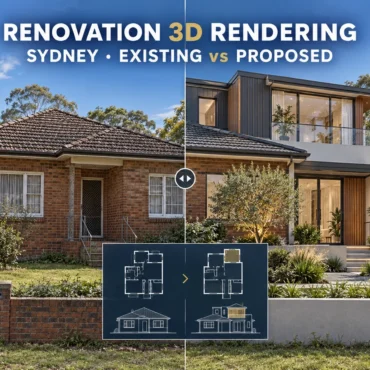
Renovation 3D Rendering Sydney: Existing vs Proposed
Home / Blogs / Renovation visualisation Sydney · Residential architects · Renovation builders Renovation 3D Rendering in Sydney: Compare Existing and Proposed Designs Clearly Help clients understand the actual renovation....
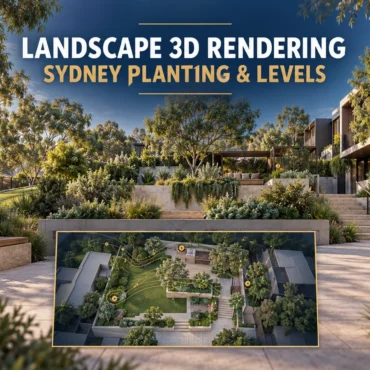
Landscape 3D Rendering Sydney: Planting & Levels
Home / Blogs / Landscape visualisation Sydney · Landscape designers · Architects & builders Landscape 3D Rendering in Sydney: Show Planting, Levels and Outdoor Living Clearly Help clients understand how...
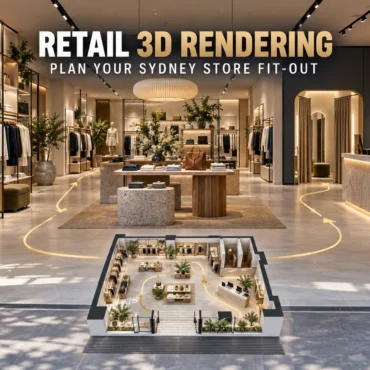
Retail 3D Rendering Sydney: Plan Your Store Fit-Out
Home / Blogs / Retail fit-out visualisation Sydney · Retail designers · Shopfitters Retail 3D Rendering in Sydney: Plan the Customer Journey Before Your Fit-Out A shop needs to do...
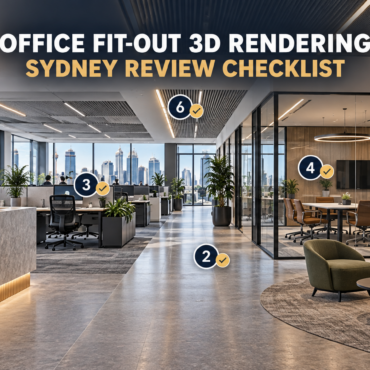
Office Fit-Out 3D Rendering Sydney | Review Checklist
Home / Blogs / Office fit-out visualisation Sydney · Commercial interiors · Project review Office Fit-Out 3D Rendering in Sydney: What to Review Before Design Sign-Off Help clients understand the...
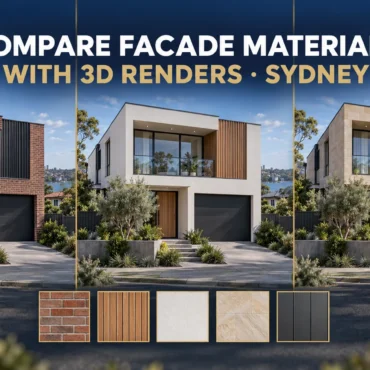
Compare Facade Materials with 3D Renders | Sydney
Home / Blogs / Facade material comparisons Materials · Facades · Design decisions Compare Facade Materials with 3D Renders: A Guide for Sydney Builders and Architects Brick, cladding, stone and...
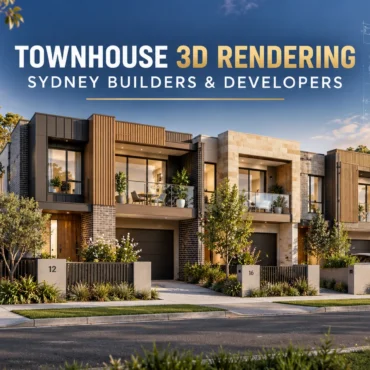
Duplex 3D Rendering Sydney: Show Each Home Clearly
Home / Blogs / Duplex visualisation Sydney · Builders · Property developers Duplex 3D Rendering in Sydney: Show What Makes Each Home Different Two homes can share a facade style...
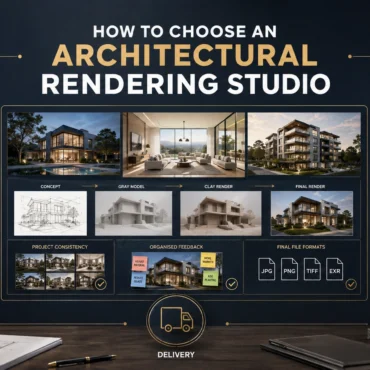
How to Choose an Architectural Rendering Studio
Skip to the answer Home / Blogs / Choosing a rendering studio PORTFOLIO FIT · PROCESS · SCOPE · COMMUNICATION How to Choose an Architectural Rendering Studio in Australia: 10...
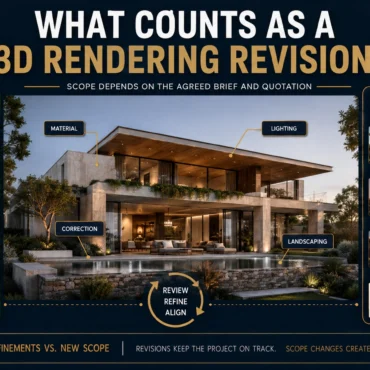
What Counts as a 3D Rendering Revision?
Skip to the answer Home / Blogs / Rendering revisions FEEDBACK ROUNDS · DESIGN CHANGES · CAMERA CONTROL · SCOPE What Counts as a Revision in Architectural Rendering? Feedback, Changes...
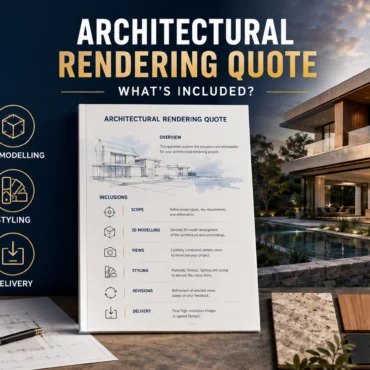
Architectural Rendering Quote: What Is Included?
Skip to the answer Home / Blogs / Rendering quote inclusions SCOPE · REVISIONS · DELIVERABLES · CHANGE CONTROL What Is Included in an Architectural Rendering Quote? Scope, Revisions and...
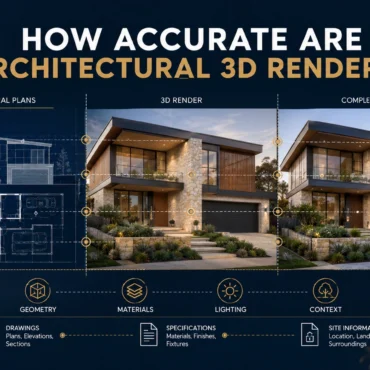
How Accurate Are Architectural 3D Renders?
Skip to the answer Home / Blogs / Render accuracy GEOMETRY · MATERIALS · CAMERAS · ASSUMPTION CONTROL How Accurate Are Architectural 3D Renders? Geometry, Materials and Assumptions Explained A...